Boat Market Splits: Rugged Duty vs. Leisure Innovation
The global boat market is showing a clear dualized development trend: on the one hand, there is a continuous demand for high-performance and high-reliability professional boats in the military, security rescue and special transportation fields; On the other hand, there is a booming enthusiasm for multi-functional and personalized boats in the leisure and water sports market. This differentiation of demand is profoundly affecting the design, manufacturing and market strategy of rubber boats, assault boats, RIB boats, fishing boats and transport boats.
Safety and Defense: The technological frontiers of professional boats
In the field of official affairs and security, the mission orientation of ships is extremely clear. The Finnish company “Ocean Aluminum” won a contract for the development of a new “offshore assault boat” (LAC) for the Dutch Marine Corps, which is a typical example. The boat is designed to replace the current landing craft, emphasizing the ability to project personnel and equipment from longer distances, and its design is centered on speed, range, the ability to operate continuously at sea, and the adaptability to carry weapons. This reflects the need for fast and flexible delivery platforms in modern amphibious operations, driving the use of materials such as aluminum alloys in military assault boat construction to balance strength, weight, and corrosion resistance.
At the same time, water safety and emergency rescue constitute another professional market pillar. The upcoming “International Official Vessel and Water Safety Exhibition” in Shanghai in May 2026 will focus on patrol and law enforcement boats, rescue boats, rescue boats, assault boats, rubber boats and other equipment. These vessels often need to operate in harsh sea conditions and require high stability, maneuverability and rapid deployment capabilities, and many high-performance RIB boats are widely used in this field due to their excellent seaworthiness.
Leisure and consumption: The experience economy drives product innovation
In contrast to the “hardcore” demand of the professional market, the leisure consumer market pays more attention to experience, comfort and versatility. The 2026 Shenzhen International Water Sports Exhibition covers the entire industry chain from kayaks and paddleboards to motorboats and fishing boats. This shows that rubber boats, small fishing boats, etc. are not only tools, but also important carriers for the public to participate in water leisure, fishing entertainment and family water activities.
This trend is evident on the product side. For example, Highfield Boats’ ADV9 crossover cabin boat is designed for speeds of up to 50 knots, a range of 300 nautical miles, and offers heated cabins, kitchenettes and toilets, and even optional camping hatch covers. It is clearly aimed at family adventures, rentals, and commercial use, embodying the leisure market philosophy of “one boat for multiple purposes”. Similarly, the TR series RIB boats launched by France 3D Marine in cooperation with Suzuki provide segmentation solutions for different application scenarios, ranging from sailing accessory boats of less than 3 meters to multi-purpose boats of 6.35 meters.
Transportation & Industrial: Specific market demand is solid
Although the special transport ship market is not as active in the public eye as the previous two, the demand is stable and the value of a single contract is high. For example, Chinese companies recently signed contracts for the construction of five large carriers, including four 306,000-ton ultra-large crude oil carriers and one refined oil/crude oil carrier. While this is very different from small transport boats, it reflects the continued investment in transportation equipment by global shipping logistics. In the small and medium-sized sector, multi-purpose aluminum alloy or fiberglass transport boats for port operations, personnel traffic, island resupply always have a stable market in coastal economic zones and archipelago countries.
The global pattern interacts with the industrial chain
From the perspective of the global market, aluminum fishing boats and other industries have formed a professional research and competition analysis system, and major global manufacturers are fiercely competing in terms of production capacity, sales and market share. Europe is leading the way in high-end RIB boats, design and electrification technology (e.g. the Düsseldorf Boat Show brings together global innovations); Asia has shown strong manufacturing capabilities and rapid response to emerging markets such as water leisure; North America has a traditional advantage in aluminum boats and powertrains.
These markets are not silos. The technology of military assault boats may derive more robust civilian RIBs; The accumulation of electrification technology for recreational boats provides solutions for specific workboats that require low noise; Eco-friendly coatings or energy management concepts for large ships may also be delegated to medium-sized transport vessels. At the same time, global professional exhibitions such as the Shenzhen Water Sports Show, the Shanghai Official Boat Show and the Düsseldorf Boat Show have become key platforms for connecting global supply chains, showcasing the latest technologies and gaining insights into the needs of various market segments.
Future prospects: Convergence and segmentation coexist
Looking ahead, the two main lines of the boat market – professional functionality and leisure experience – will continue to deepen. Specialized ships will pay more attention to integration with specific mission scenarios, such as collaborating with drones and carrying special modules. Leisure boats will continue to innovate in intelligence, living space expansion and environmental protection experience.
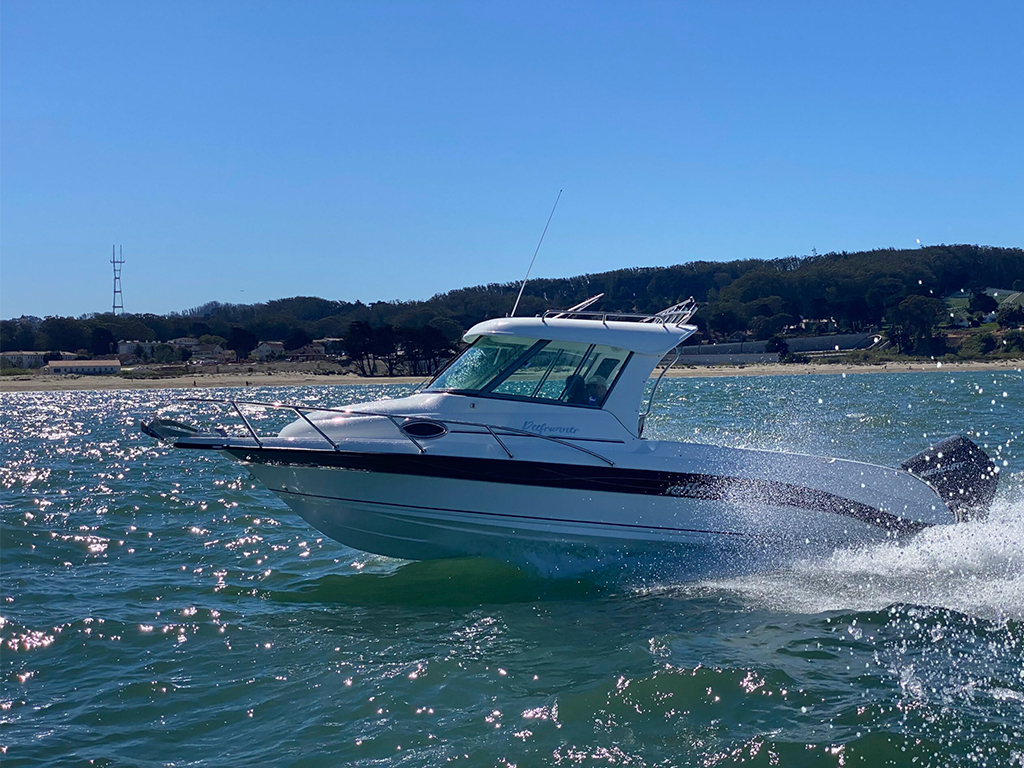
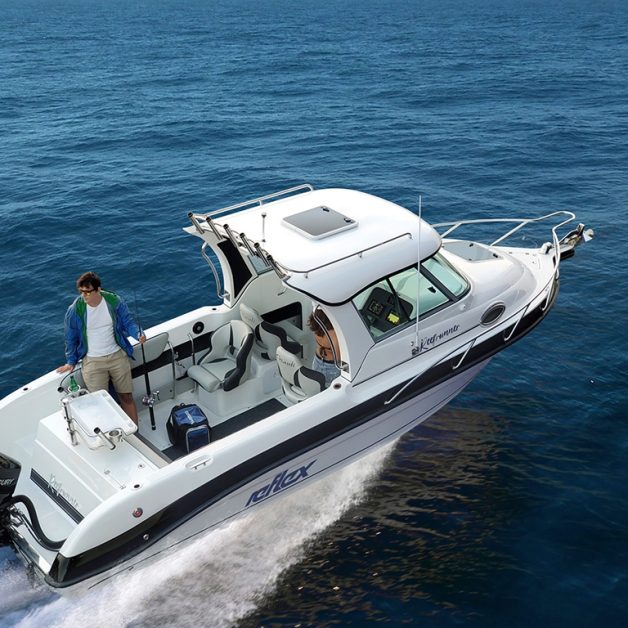
At the same time, products that integrate across borders will be more popular, such as aluminum alloy or multi-functional FRP fishing boats that can meet the needs of families for weekend outings and are also capable of light fishing or cruising. For manufacturers, the key is to accurately identify the target segment (military assault boat, commercial transport boat, or recreational RIB boat?). ), and flexibly use materials (e.g., recyclable FRP, aluminum alloys), power (electric, hybrid, high-efficiency internal combustion engines) and design innovations to create competitive products that occupy a place in the dynamic global boat market landscape.